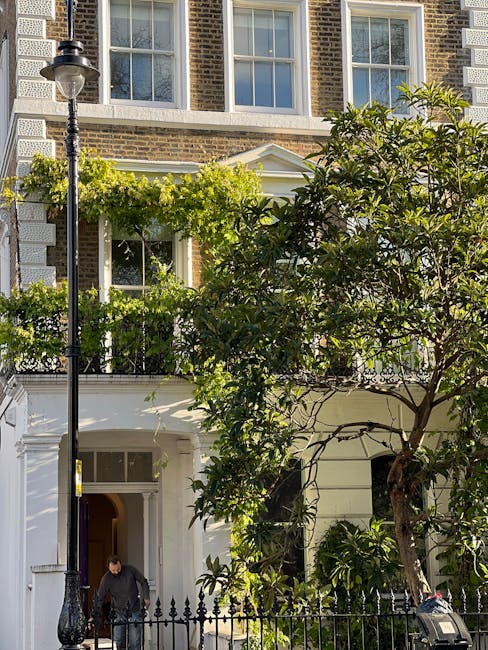
Access problems for garden maintenance in Parsons Green flats
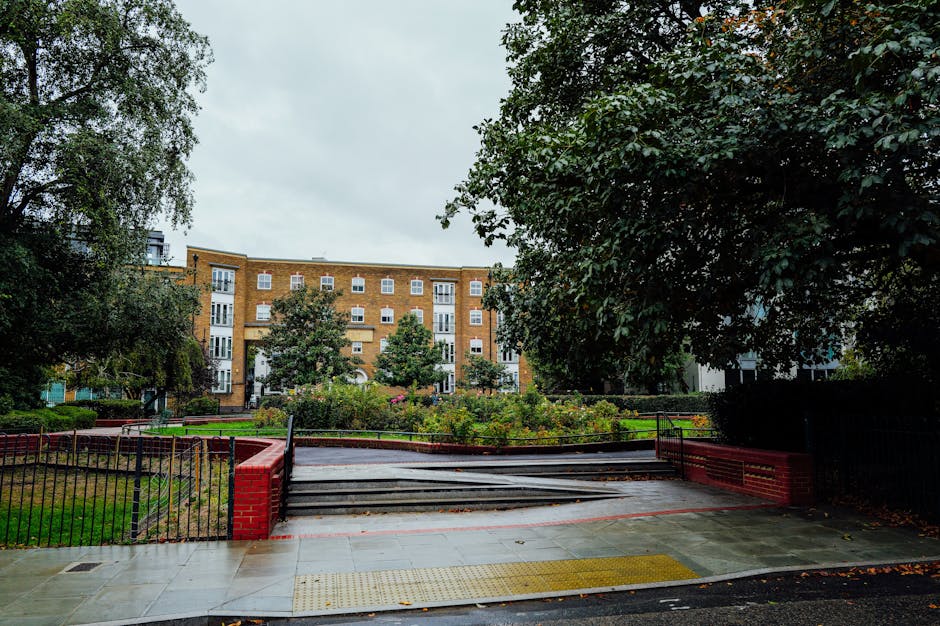
Access problems for garden maintenance in Parsons Green flats can turn a simple tidy-up into a surprisingly awkward job. A narrow stairwell, a locked gate, a shared courtyard, a lift that barely fits a watering can - these little things can slow everything down. And if you live in a flat in Parsons Green, you already know the drill: space is precious, neighbours are close, and every visit needs a bit more planning than a standard house garden. This guide breaks down what usually goes wrong, why it matters, and how to handle it without the usual faff.
We will look at practical access issues, the best ways to prepare a flat's outdoor space for maintenance, where delays and misunderstandings happen, and what a smooth professional visit actually looks like. If you want the short version first: good access planning saves time, reduces damage risk, and makes garden care feel far less stressful.
Why Access problems for garden maintenance in Parsons Green flats Matters
On paper, garden maintenance sounds straightforward: trim, tidy, clear, water, repeat. In reality, access can decide whether the job is quick, costly, or just plain impossible. Flats in Parsons Green often sit behind communal entrances, shared corridors, basement steps, mews-style lanes, or upper-level terraces with limited load-bearing access. That means even basic tasks like moving plant bags, hedge trimmers, compost, or waste away from the site can become the real job.
Why does this matter so much? Because poor access affects more than convenience. It influences safety, how long the work takes, whether tools can be brought in without hassle, and how likely it is that plants or surfaces get damaged on the way through. A gardener may be able to carry out excellent work once on site, but if they have to battle three awkward doors, a tight stairwell, and no obvious place to stage equipment, the whole visit becomes inefficient.
There is also the neighbour factor. In flats, one person's plant pruning can quickly become everyone's noise, everyone's hallway, everyone's worry about muddy boots. So access planning is really a courtesy issue too. When done well, it makes maintenance feel neat and contained rather than disruptive. To be fair, that can matter just as much as the gardening itself.
It also shapes what sort of maintenance is realistic. A large potted planting scheme on a balcony may be practical, while a heavy, soil-rich bed on a roof terrace may need carefully scheduled visits and lighter tools. Access, in other words, is not a side issue. It is part of the design.
How Access problems for garden maintenance in Parsons Green flats Works
Access issues usually show up at one of three points: getting to the garden, working within it, and removing waste afterwards. The exact challenge depends on the building layout, but the pattern is familiar enough.
First, the gardener needs to get in. That may mean entry codes, concierge instructions, a buzzer system, a gated courtyard, or a resident needing to open up. If no one is available at the right time, the visit can stall before it starts. That is why clear arrival instructions matter so much.
Second, the working area itself may be restrictive. A balcony might only allow one person at a time. A small shared patio may leave no room for bags, hoses, or a wheelbarrow. Long-handled tools may be awkward to swing safely, and delicate flooring such as decking or porcelain tiles may need extra care. In buildings with shared access, the gardener must also think about how to avoid blocking communal routes.
Third, there is the exit problem. Waste has to go somewhere. Grass clippings, hedge trimmings, dead leaves, old compost, broken pots, and packaging all need to be removed without leaving the building messy. This is where a job can become unexpectedly time-consuming. Let's face it, nobody likes dragging a heap of cuttings through a polished hallway. Not the resident, and definitely not the gardener.
For many Parsons Green flats, the best maintenance approach is a system, not a single visit. That means planning entry, staging tools carefully, choosing lighter or modular equipment where possible, and agreeing in advance how waste will be handled. The smoother the access, the better the results.
Key Benefits and Practical Advantages
When access is properly thought through, you get more than convenience. You get a better-maintained outdoor space with fewer surprises. That sounds obvious, but it is often where people underestimate the problem.
- Faster visits: less time spent hunting for keys, carrying tools through awkward spaces, or moving materials in tiny increments.
- Lower risk of damage: fewer scrapes to walls, doors, railings, and flooring.
- Better plant care: regular access means watering, pruning, and cleaning can happen when they should.
- Less disruption: neighbours are less likely to be bothered by repeated trips, noise, or waste in shared areas.
- Cleaner finish: waste removal and final tidy-up are easier when the route in and out is clear.
There is also a design benefit. Once you understand your access limits, you can choose maintenance-friendly planting and layout. For example, container schemes and vertical planting can be much easier to manage than a heavy, hard-to-reach bed. If your flat only has a small terrace, ideas from how vertical gardening transforms limited spaces may be genuinely useful. Likewise, compact planting ideas from container gardening can reduce the need for bulky movement and heavy maintenance later on.
In short, good access planning saves effort now and reduces headaches later. That is a proper win.
Who This Is For and When It Makes Sense
This topic matters if you live in a flat with any kind of outdoor space, shared garden, patio, terrace, balcony, roof garden, or communal planting area. It also matters if you manage a block, own a leasehold flat with shared exterior areas, or arrange maintenance on behalf of tenants or residents.
It especially makes sense if any of the following sound familiar:
- The gardener must use a communal hallway or staircase to reach the garden.
- There is no direct outdoor access from the flat.
- Tools and waste need to pass through shared parts of the building.
- The garden is on a balcony, terrace, or roof space with load or width limitations.
- Needing permission from a concierge, porter, or managing agent is part of the process.
- You have had previous maintenance visits delayed because nobody could provide access.
Residents who travel often also benefit from being organised here. If someone is not home for every visit, the access plan has to work even when you are out. That usually means agreed entry arrangements, a reliable contact point, and very clear instructions.
And if the space itself is small or awkward, access issues often shape the whole maintenance strategy. A compact terrace with wind exposure, for example, may need a more selective planting approach. A little reading on garden designs that shield against wind can help when the location feels exposed and fiddly.
Step-by-Step Guidance
If you are trying to make maintenance easier in a Parsons Green flat, use a simple process. Nothing fancy. Just a practical sequence that stops problems before they start.
- Map the access route. Walk the route a gardener would take from arrival to the garden area. Note gates, codes, stairs, doors, lift size, and any bottlenecks.
- Identify what must be carried. Think about tools, pots, bags of soil, watering equipment, and waste. If an item is heavy or awkward, flag it early.
- Check shared-space rules. Make sure you know whether the building has restrictions on timing, noise, waste storage, or use of communal areas.
- Prepare entry instructions. Keep them short, clear, and up to date. Include names, flat numbers, codes, and where the gardener should wait if access is delayed.
- Clear staging space. Even a small patch by a terrace door can help with setting down tools without blocking walkways.
- Plan waste removal. Agree how green waste will be collected and removed. If access is tight, smaller bags may work better than one oversized load.
- Choose maintenance-friendly plants. In harder-to-reach spaces, use plants that are not needy every five minutes. That sounds blunt, but it is true.
- Review after the first visit. Ask what was awkward. Often one small adjustment, like changing the arrival time or moving a plant stand, makes a big difference.
A useful trick is to think in terms of friction. Every extra door, lift ride, or hand-carry reduces efficiency. The goal is not perfect access - that is rare in flats - but predictable access. Predictable is good.
Expert Tips for Better Results
There are a few practical habits that make flat garden maintenance much easier, especially in a busy part of London where timing and coordination matter.
Keep the route as uncluttered as possible. Shoes, bikes, recycling, umbrellas, prams - all the normal stuff that lives by a doorway can become obstacles. If the gardener has to sidestep three things before even starting, you have already lost time.
Use lighter tools where possible. A small battery trimmer or compact pruner may be far more realistic than bulky kit for upper-floor access. The article on essential tools for outdoor gardeners is useful background if you are comparing equipment choices for tight spaces.
Match the planting scheme to the building. In a flat, you usually want more control and less chaos. Containers, climbers, and compact shrubs are often easier to manage than sprawling border plants. For example, if a terrace has a blank fence or wall, evergreen climbers can add structure without taking over the floor space.
Choose the best maintenance time, not just the cheapest slot. Midday may be poor if access is shared and residents are in and out. Early morning or a pre-agreed quiet window often works better. It is a tiny thing, but tiny things add up.
Think about ongoing waste handling. If regular garden care produces clippings and spent plants, make sure there is a sensible route for disposal. If you already know the area produces a lot of green waste, a maintenance plan should reflect that from day one.
Do not ignore surfaces. A balcony deck, paved terrace, or communal path can need cleaning after garden work. If your outdoor area tends to collect mud, algae, or leaf residue, a service like patio cleaning can be a smart companion to maintenance, not an afterthought.
And one more, from experience: write the access notes like someone else will need them tomorrow, because they probably will. That way, if you are away on a rainy Tuesday and the gardener arrives with damp gloves and a trolley full of gear, nobody is scrambling to remember the code.
Common Mistakes to Avoid
Most access problems in flats are not dramatic. They are just avoidable. That is what makes them annoying.
- Assuming access is obvious: it rarely is. What feels obvious to a resident may be baffling to a visitor on a first job.
- Not checking entry permissions: no one wants to discover the concierge was never informed.
- Underestimating waste volume: a few plants and some hedge clippings can create more bags than expected.
- Using oversized equipment: if it cannot fit safely through the route, it is the wrong tool.
- Leaving the garden crowded: too many pots, ornaments, or furniture pieces can make routine work much harder.
- Ignoring neighbour impact: shared hallways and courtyards need a bit of courtesy and timing.
Another common issue is overcomplicating the job. Some people try to preserve every plant, every container, and every decorative feature, even when the access route is cramped and the maintenance budget is limited. Truth be told, a simpler arrangement often performs better in a flat. It looks calmer too.
If the garden is difficult to keep tidy, a low-maintenance redesign may help. The ideas in smart low-maintenance garden solutions are handy when you want less fuss without making the space dull.
Tools, Resources and Recommendations
The right tools can make a tight-access garden far less stressful. Not every job needs large kit, and in flat settings, smaller and smarter often beats bigger and louder.
| Access challenge | Practical approach | Helpful tool or method |
|---|---|---|
| Narrow stairwell | Use compact equipment and carry in smaller loads | Hand tools, foldable containers, smaller waste bags |
| Shared entrance | Agree entry time and clear instructions in advance | Written access notes, key collection plan, contact details |
| Limited staging space | Keep only the essentials out during work | Portable tool caddy, lightweight buckets, compact trug |
| Waste removal through communal areas | Bag and seal waste neatly before moving it | Durable bags, dustpan and brush, tarp for tidying up debris |
| Hard-to-reach planting | Reduce the need for frequent hand watering or climbing | Self-watering containers, vertical planters, manageable plant selection |
For planting choices, small-space thinking goes a long way. Container planting is often a strong fit for flats, while vertical schemes can keep the floor clear. If you want ideas for greenery that settles the look of a space without creating maintenance chaos, ground cover plant ideas may help with lower-level coverage in accessible pockets, and kitchen herb garden tips are useful if the goal is a small edible space near the door or on a sunny ledge.
As a practical resource, the company's about us page can help you understand the type of local service approach behind the work, while garden maintenance remains the obvious service to review if you are comparing ongoing care options.
Law, Compliance, Standards, or Best Practice
Access planning in flats is not just a courtesy issue. It also touches on safety, neighbour relations, building management, and basic duty of care. In the UK, people arranging maintenance in shared buildings should think carefully about safe working practices, access permissions, and the impact of work on others using the building.
That usually means a few best-practice basics:
- Keep access routes clear and safe for residents and workers.
- Avoid blocking communal areas with tools or waste.
- Use equipment that matches the site conditions.
- Make sure any contractor understands site-specific risks before starting.
- Handle waste responsibly and do not leave cuttings where they could create slips or nuisance.
For residents and building managers, it is also sensible to check the rules that apply to the building itself. Lease terms, house rules, building management instructions, and the expectations of neighbours can all affect what is allowed. I am being careful here on purpose: every building is a little different, and it is better to confirm than assume.
From a contractor's point of view, responsible working also means having the right policies in place. If you want reassurance around site safety and working practices, pages like health and safety policy, insurance and safety, terms and conditions, payment and security, and accessibility statement can be useful trust signals when you are deciding who to work with.
If a problem arises, there should also be a clear way to raise it. That is where a documented complaints procedure becomes reassuring rather than formal. Nobody loves needing it, but it is good to know it exists.
Options, Methods, or Comparison Table
Not every access problem needs the same fix. Sometimes the answer is better planning; sometimes it is a change in garden style; sometimes it is a more compact maintenance schedule. Here is a simple comparison to help you think it through.
| Method | Best for | Pros | Trade-offs |
|---|---|---|---|
| Improving access logistics | Most flat gardens with shared entrances or narrow routes | Low cost, quick to implement, supports regular maintenance | Does not change the physical layout |
| Changing the planting style | Tight terraces, balconies, and rooftop spaces | Reduces ongoing labour, easier waste handling | May require rethinking the look of the space |
| Using lighter tools and smaller loads | Upper-floor flats and awkward access routes | Safer and less disruptive | Can take longer for larger jobs |
| Scheduling fewer, more targeted visits | Spaces that do not need weekly intensive care | Efficient and cost-conscious | Less suited to fast-growing planting |
| Full redesign for low maintenance | Problem gardens that are hard to reach or maintain | Long-term ease and tidier results | Needs planning and initial investment |
For many Parsons Green flats, the best answer is a mix of the first three methods. You do not always need to rip everything out. Often a few sensible adjustments are enough. That is the nice bit, really.
Case Study or Real-World Example
Picture a first-floor flat in Parsons Green with a small rear terrace accessed through a communal stair and a side gate shared by three households. The terrace has a couple of planters, a narrow strip of paving, and one slightly dramatic climber that has, frankly, outgrown its manners.
At first, maintenance was awkward. The gardener had to wait for someone to let them into the side passage, tools were carried one by one, and cuttings were bagged in a way that kept getting in the way of the exit route. Not disastrous. Just irritating. And every visit felt a bit longer than it needed to.
The fix was not complicated. The resident wrote down access instructions, the entry time was agreed in advance, and the planting was simplified. One planter was replaced with a lighter container, the climber was trained more carefully, and waste was collected in smaller bags so it could be moved without blocking the shared walkway. The terrace still looked good, but it became much easier to manage.
The biggest change was not visual. It was practical. The space no longer fought the maintenance process. That is the real goal in a flat setting. A garden should feel like part of the home, not a weekly obstacle course.
There was a bonus too: once the access issues were sorted, the owner started enjoying the terrace more often. A chair came out, the planting looked cleaner, and the whole area felt calmer at the end of the day. You could almost hear the difference, if that makes sense - less clatter, fewer apologetic door swings, more quiet usefulness.
Practical Checklist
Use this checklist before the next maintenance visit. It is simple, but it catches the stuff people forget.
- Do I know exactly how the gardener will enter the building?
- Have I provided codes, keys, or contact instructions in advance?
- Is the route to the garden clear of bikes, bins, prams, or stored items?
- Have shared-access rules been checked for timing, noise, and waste handling?
- Is there enough space to set tools down safely?
- Will waste be easy to bag and remove without creating mess?
- Are there any fragile surfaces that need protection?
- Does the planting style suit the access limitations?
- Are neighbours likely to be affected, and have I planned accordingly?
- Do I have a way to review what worked after the visit?
If you can answer yes to most of those, you are already ahead of the game.
Get a free quote today and see how much you can save.
Conclusion
Access problems for garden maintenance in Parsons Green flats are not glamorous, but they are the difference between a garden that stays healthy and one that slowly becomes awkward to manage. The good news is that most issues are solvable with clearer instructions, smarter planting, lighter equipment, and a bit of planning around shared spaces.
Once you understand the route in, the route out, and the limits of the space itself, maintenance becomes far less stressful. Better still, the garden starts working with the flat rather than against it. That is where the calm comes from - not perfection, just a setup that makes sense.
And honestly, that is enough. A tidy, reachable, well-planned outdoor space in a flat can be a real pleasure, especially on a grey London afternoon when the light is soft and the leaves are doing their quiet little thing.
Frequently Asked Questions
What are the most common access problems for garden maintenance in Parsons Green flats?
The most common problems are narrow stairwells, shared entrances, locked gates, lift restrictions, limited staging space, and difficult waste removal through communal areas.
How do you prepare a flat garden for maintenance visits?
Clear the route, share entry instructions in advance, reduce clutter near the garden access point, and agree how tools and waste will be handled before the visit starts.
Why does access matter so much in flat garden maintenance?
Because access affects safety, timing, neighbour disruption, and the amount of work that can realistically be completed in one visit.
Can a small balcony or terrace still be maintained properly if access is awkward?
Yes. Small spaces can usually be maintained well if the planting is chosen carefully, the tools are compact, and the access route is planned properly.
What kind of plants work best in hard-to-reach flat gardens?
Containers, compact shrubs, climbers, and lower-maintenance plants are often the easiest to manage. The best choice depends on light, exposure, and how often the space can be visited.
Should I change my garden design if access is difficult?
Often, yes. A simpler layout, fewer heavy containers, and more maintenance-friendly planting can make a huge difference over time.
How can I reduce disruption to neighbours during garden work?
Choose sensible working times, keep communal routes clear, bag waste neatly, and avoid leaving tools or debris in shared spaces.
What should I tell a gardener before they visit my flat?
Share the access route, entry codes or key arrangements, parking or arrival notes if relevant, any building rules, and any fragile surfaces or tight corners they should know about.
Is waste removal a big issue in flat garden maintenance?
Yes, it often is. Even a small job can produce more waste than expected, especially if hedges or overgrown planting are involved. Planning for waste removal saves time and hassle.
Do I need special permission for maintenance in shared flat gardens?
Sometimes. It depends on the building and its rules. If a communal area, concierge arrangement, or managing agent is involved, check the access and usage expectations first.
What is the best way to make maintenance easier long term?
The best approach is to match the garden design to the access you actually have, not the access you wish you had. That usually means simpler planting, better storage, and a clear maintenance routine.
Where can I find more information about related garden services?
Useful starting points include gardening services, lawn care, lawn mowing, hedge trimming in Parsons Green, and tree surgery if the space needs more specialised attention.