Recycling and Sustainability for Gardeners Parsons Green
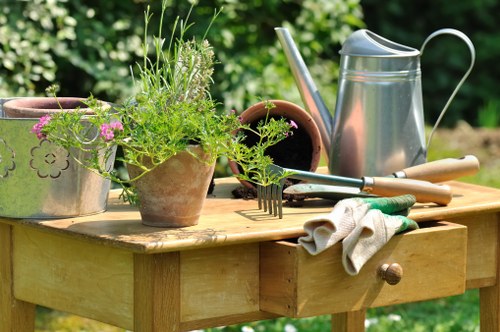 At Gardeners Parsons Green, sustainability is built into the way we work in local gardens, communal courtyards, and residential outdoor spaces. Our approach to recycling in Parsons Green focuses on reducing waste at source, sorting materials carefully, and sending as little as possible to landfill. We aim for a minimum recycling percentage target of 90% across suitable green waste, packaging, and reusable garden materials, supported by practical systems that make separation simple on site.
In a busy part of west London, even small gardening jobs can generate a surprising amount of recyclable material. From prunings and turf to cardboard, plastic plant pots, and broken canes, our Gardeners Parsons Green service is designed to keep these streams separate. We also work with the realities of local borough waste separation, where households and businesses increasingly sort food waste, dry mixed recycling, and garden waste into specific collections. By aligning our work with that local approach, we help make recycling easier and more effective.
 Our team uses low-carbon vans for site visits and material transport wherever possible. These vehicles are chosen to reduce emissions during travel between gardens, depots, and local recycling points. For many jobs, especially smaller maintenance visits, route planning is just as important as vehicle choice. By combining efficient scheduling with lower-emission transport, our Parsons Green gardeners lower the carbon cost of everyday garden care while still keeping operations reliable and responsive.
How Local Recycling Works in Garden Maintenance
Garden waste is handled differently depending on its type. Clean green material such as grass clippings, hedge trimmings, leaves, and soft plant cuttings can usually be recycled through composting or green-waste processing. Harder items like treated timber, old fixtures, broken pots, and mixed construction debris need separate handling. Our Parsons Green gardening team keeps these material streams distinct so that recyclable matter is not contaminated by non-recyclable waste.
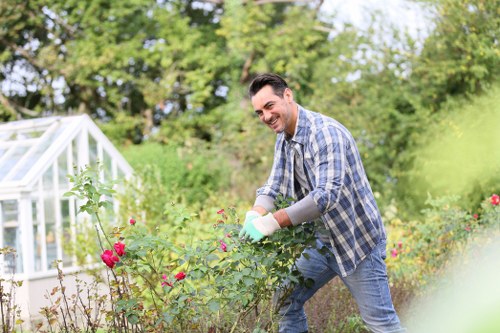 In practical terms, this means careful sorting after each project. Where suitable, we separate organic waste for composting, isolate plastics for specialist recycling, and retain reusable materials for later use in other gardens. In boroughs across London, waste separation is becoming more detailed, with residents often asked to divide recyclable items into specific containers rather than placing everything together. That same principle guides our own work: separate early, recycle more, discard less.
We also pay attention to seasonal waste patterns. In spring and autumn, pruning and leaf clearance can create higher volumes of recyclable organic waste, while summer maintenance often brings more packaging, damaged irrigation components, and worn consumables. Our sustainable gardening methods help ensure these materials are processed responsibly instead of being mixed into general waste. The result is a cleaner workflow and a lower environmental impact for every garden project in the area.
Local Transfer Stations and Responsible Disposal
To support efficient recycling, Gardeners Parsons Green makes use of local transfer stations and authorised waste handling points where appropriate. These facilities play a key role in sorting, compacting, and forwarding garden and household-related materials to the right recycling processors. Using local stations reduces travel distances and helps keep the waste journey as short as possible, which is important for a low-carbon service model.
When visiting transfer stations, our team prioritises traceable disposal routes and documented recycling outcomes. This ensures that recyclable garden waste, such as wood chippings, branches, and plant matter, is directed into legitimate recovery streams. Where borough rules or site conditions require specific separation, we follow the relevant procedures carefully. This is especially useful in mixed-use neighbourhoods like Parsons Green, where different property types may produce different waste profiles and require tailored handling.
We also support the wider culture of reuse that is growing across London. Items that can still serve a purpose, such as sturdy pots, planters, and edging materials, are set aside where suitable rather than being thrown away. This approach complements local council efforts to improve reuse rates and supports a more circular model of gardening. By making transfer station use part of a broader sustainability plan, we help manage waste with both environmental and practical priorities in mind.
Charity Partnerships and Reuse
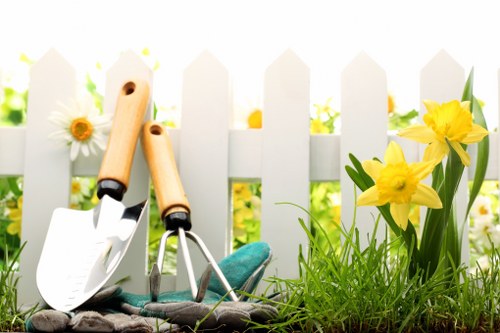 A sustainable garden service is not only about recycling what is broken; it is also about giving useful items a second life. That is why Gardeners Parsons Green works with selected charities and community organisations where suitable items can be passed on. Useful planters, tools in good condition, and reusable outdoor accessories may be donated if they meet quality and safety expectations. This helps extend the life of materials and supports local good causes at the same time.
These partnerships are especially valuable when refreshing larger gardens or clearing spaces after redesign work. Rather than discarding everything that comes out of a project, we look for opportunities to divert usable materials into community channels. This can reduce waste volumes, support charitable initiatives, and create a more thoughtful flow of resources through the local area. It also reflects a broader sustainability ethic that values repair, reuse, and recovery before disposal.
Where direct donation is not possible, we still aim to keep material in circulation. Surplus compostable matter can support soil improvement schemes, while clean garden by-products may be processed into mulch or other beneficial outputs. By combining charity partnerships with careful sorting and responsible processing, our recycling-focused gardening service in Parsons Green creates a practical environmental benefit that reaches beyond individual properties.
Building a Lower-Carbon Gardening Service
Our sustainability strategy extends beyond waste management. It includes the way we travel, how we plan work, and how we choose materials. Low-carbon vans, efficient route planning, and fewer unnecessary trips all contribute to a smaller operational footprint. In an area where access can be tight and parking limited, smart logistics are not only convenient but also environmentally responsible.
We also encourage the use of durable, recyclable, and responsibly sourced materials wherever possible. In practice, this may mean selecting long-lasting replacements for short-life items, using composted organic matter to enrich soil, and avoiding excessive packaging on supplies brought to site. Small changes add up, especially when repeated across many gardens throughout the year. That is why sustainability is not treated as an add-on; it is part of the standard way we work.
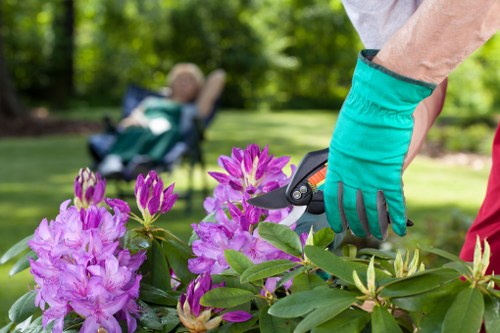 Gardeners Parsons Green is committed to a cleaner, more circular approach to garden care. From borough-aligned waste separation to local transfer stations, from charity reuse to low-carbon vans, every step is designed to reduce waste and emissions. For residents and property managers looking for a greener maintenance model, our Parsons Green gardeners offer a practical service that respects both the garden and the wider environment.