 020 3744 3778
Building Canine-Approved Gardens with Ease
Posted on 28/08/2025
Building Canine-Approved Gardens with Ease
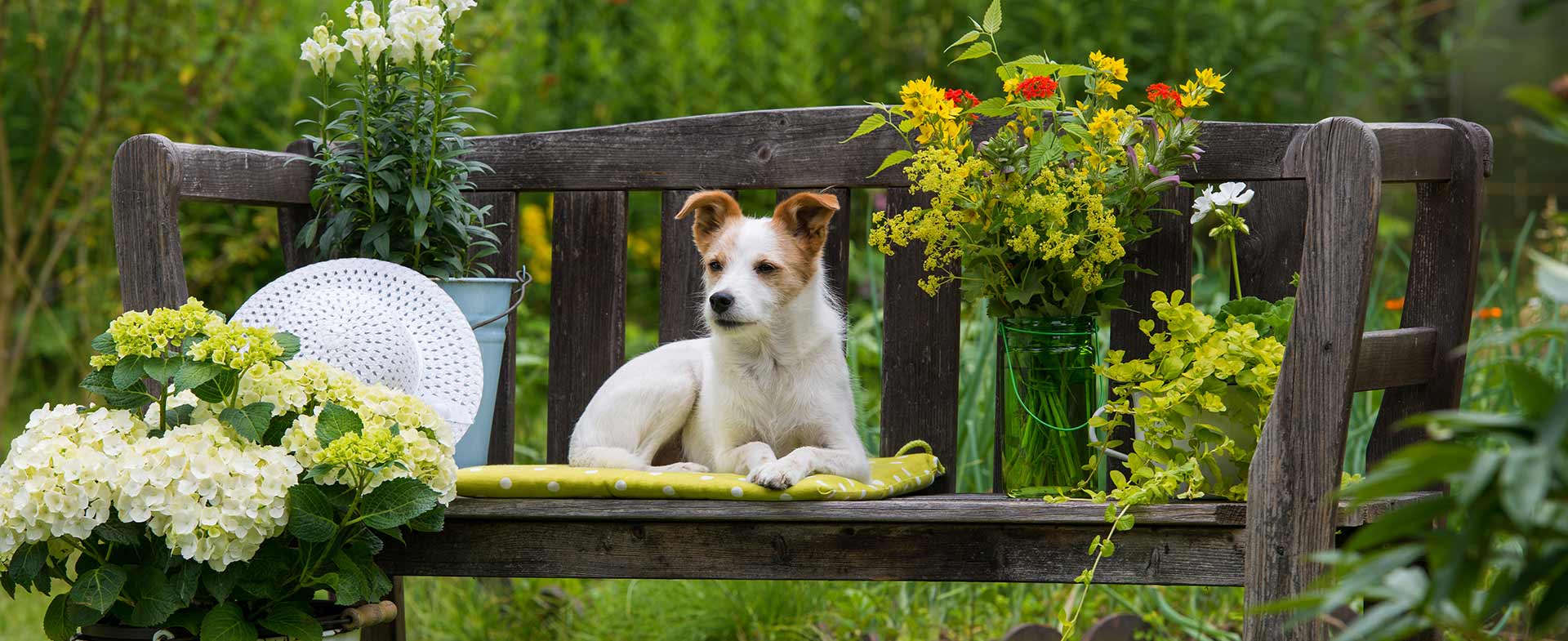
Looking to create a backyard paradise that's as comfortable for your four-legged friend as it is beautiful for humans? Discover the secrets to building canine-approved gardens with ease and fostering a safe, playful, and stunning outdoor environment tailored for your dog's enjoyment.
Why Design a Dog-Friendly Garden?
A pet-friendly garden balances aesthetic appeal with a functional, stimulating space for your dog. Your canine companion deserves to romp, sniff, and relax without risk of injury or exposure to unsafe plants and materials. Creating a dog-safe landscape prevents destructive behaviors, supports positive training, and strengthens your bond. Moreover, a thoughtfully planned yard is easier to maintain and more resilient to the unique wear and tear dogs bring.
Essential Elements of a Dog-Friendly Garden
To build a canine-approved garden, focus on these fundamental features. Well-chosen plants, smart layouts, and tailored amenities transform your yard into a secure and engaging oasis that both you and your dog will adore.
- Safe, Non-Toxic Plants: Always select plants proven safe for dogs.
- Sturdy, Dig-Proof Borders: Favor durable fencing and edging.
- Water Features: Offer a cool-down spot for hydration and play.
- Shaded Resting Areas: Protect pups from harsh sunlight.
- Clear Paths and Play Zones: Accommodate routes for racing and sniffing.
Choosing Dog-Safe Plants for Your Garden
Many common garden plants can be toxic to dogs, so it's wise to prioritize safety when selecting flora. The American Society for the Prevention of Cruelty to Animals (ASPCA) provides an extensive list of safe and unsafe plants. Below are some canine-friendly plant options:
- Sunflowers (Helianthus annuus) - Bright, hardy, and non-toxic.
- Camellias (Camellia japonica) - Gorgeous shrubs with glossy leaves and dog-safe flowers.
- Bamboo (Bambusoideae) - Unique texture, non-toxic, and can provide natural fencing or shading.
- Snapdragons (Antirrhinum majus) - Colorful blooms safe for curious sniffers.
- Herbs (such as basil, sage, rosemary) - Many common culinary herbs are safe, easy to grow, and even beneficial in repelling fleas.
Avoid the following plants, as they are toxic to dogs: azaleas, lilies, foxglove, daffodils, tulips, sago palm, oleander.
Designing Dig-Proof and Durable Borders
Canine-approved gardens need to withstand digging, running, and enthusiastic outdoor play. Invest in high-quality fencing--ideally, at least 4 feet high and buried 12 inches below ground to deter escape artists. Choose robust materials like welded wire, vinyl, or metal. Avoid wood if your dog is a chewer.
- Flower Bed Protection: Use raised planters or sturdy border edging to keep paws out.
- Pathway Barriers: Decorative rocks or low hedges discourage shortcuts through delicate beds.
- Digging Pits: Give committed diggers a designated sand or mulch pit to redirect unwanted behavior.
Creating Playful, Stimulating Spaces
A dog-centric garden isn't just about safety--it's about stimulation, exercise, and engagement. Consider your dog's breed, size, and energy level when designing these features:
Interactive Play Zones
- Tunnels & Agility Features: Install lightweight tunnels, weave poles, or A-frames for supervised play and training.
- Open Lawn Areas: Provide at least one open swath of grass or turf for spontaneous games of fetch or zoomies.
- Scent Gardens: Cluster dog-safe, aromatic plants (like lavender or mint) to encourage sniffing and relaxed exploration.
Water Features for Hydration and Fun
Dogs need access to fresh water during outdoor play. Integrate a shallow, filtered pond, gentle fountain, or even a dedicated splashing pool designed for pets. This offers enrichment, cools your pup in hot weather, and adds beauty to your landscape.
Shade and Shelter Areas
- Trees and Shrubs: Plant shade trees or large shrubs, ensuring they're non-toxic and safe for chewing.
- Canopies and Pergolas: Erect lightweight canopies, awnings, or pergolas for instant protection during sunny afternoons.
- Dog Houses: Include cute, weatherproof shelters for year-round comfort and privacy.
Low-Maintenance Ground Covers and Surfaces
Durability underfoot is crucial when building a canine-approved garden. Traditional lawns often suffer under constant dog activity--digging, running, and urine spots can be ongoing issues. Opt instead for rugged, pet-friendly surfaces.
Best Surfaces for Dogs
- Turfgrass Alternatives: Artificial turf, clover, creeping thyme, or buffalo grass hold up well and resist urine burn better than many common turfgrasses.
- Mulches: Use pine, cedar, or cypress mulch for soft, paw-friendly cushioning. Avoid cocoa mulch, which is toxic to dogs.
- Pebbles and Gravel: Rounded pea gravel or larger river rocks are safe and deter digging. Make sure rocks are large enough so they can't be swallowed.
- Hardscaped Paths: Pavers, bricks, and concrete walkways guide foot traffic and minimize mud.
Expert tip: Rotate high-traffic play areas and utilize regular cleaning to keep surfaces fresh and odor-free.
Preventing Common Hazards in Canine Gardens
While crafting a beautiful dog-approved garden, remain vigilant against garden dangers:
- Pesticides and Chemicals: Only use pet-safe fertilizers and pest control methods. Opt for organic mulches and natural remedies whenever possible.
- Sharp Tools and Hardware: Store all sharp garden tools, hoses, and wire supports securely, out of reach.
- Standing Water: Prevent mosquitoes and bacteria by keeping water features clean and circulating.
- Choking Hazards: Select large, sturdy garden ornaments and synthetic toys for outdoor use.
- Allergens: Monitor for signs of grass, pollen, or mulch allergies--itching, sneezing, or paw licking may indicate a reaction.
Fencing for Security and Privacy
A good fence makes a great neighbor--and keeps your pup safe. Evaluate local regulations and your dog's behavior before selecting a fence style. Solid privacy fences help with noise and visual stimuli, while open metal fencing allows for airflow and visibility. Secure all gates with latches and inspect for gaps or loose boards regularly.
Designing Gardens for Multiple Dogs or Small Backyards
Building a canine-approved garden for more than one dog, or in limited space, presents unique opportunities:
- Zoned Play Areas: Divide your yard into distinct spaces separated by low fencing, shrubbery, or hardscaped edges.
- Vertical Gardens: Utilize vertical planters or trellises to maximize foliage and shade in small plots.
- Compact Agility Features: Make use of collapsible tunnels, platforms, or tires for play without taking up precious lawn area.
Bonus tip: Involve dogs in garden maintenance routines. Some enjoy "helping" collect sticks, sniff new plants, or even carry watering cans!
Pet-Friendly Garden Accessories
- Outdoor dog beds and elevated loungers
- Sturdy water bowls and automatic fountains
- Treat-dispensing toys and hidden digging boxes
- Paw-safe stepping stones for muddy days
Seasonal Considerations for Your Dog-Safe Yard
Building dog-friendly gardens requires year-round planning:
Spring and Summer
- Reinforce shade structures and watch for heat exhaustion.
- Check for toxic weeds and mushrooms after rain or growth spurts.
- Use flea and tick-repellent plants and maintain clean, dry bedding outdoors.
Autumn and Winter
- Remove fallen leaves and debris that can harbor mold or pests.
- Install windbreaks or insulated shelters if your dog spends long periods outside.
- Wash icy salt or de-icer residue off paws after walks.
Simple Steps to Start Your Dog-Friendly Garden
- Assess Your Dog's Needs: Observe play habits and make a note of favorite sunning spots or trails.
- Plan Your Layout: Sketch paths, play zones, and shady hubs. Consider your local climate and yard size.
- Select Safe Plants and Materials: Shop with a list of dog-proof options.
- Install Fencing and Borders: Prioritize safety and durability.
- Add Amenities: Water stations, digging spots, and enrichment toys go a long way.
- Maintain Regularly: Inspect for new hazards, rotate toys, mow or tidy up frequently.
By following these straightforward steps, you'll have a lush, secure haven that supports canine well-being while impressing visitors with its charm.

Frequently Asked Questions about Canine-Approved Gardens
What are the best ground covers for dogs that love to dig?
Creeping thyme, buffalo grass, and clover are strong, low-growing choices that withstand dog activity. For heavy diggers, consider a corner sand pit or designate a digging area with soft mulch.
How can I stop my dog from eating my plants?
Use raised beds, sturdy border fencing, or natural deterrents like citrus peels or vinegar spray. Consistent training and providing alternative chews will help redirect attention.
Should I fertilize my dog-friendly garden differently?
Yes. Select pet-safe, organic fertilizers and keep your dog away from newly applied treatments per product instructions. Avoid traditional chemical herbicides/pesticides.
What if my dog is allergic to grass?
Switch to non-grass ground covers like pea gravel, artificial turf, or mulched paths. Wash paws after play and consult your vet for additional allergy management strategies.
Conclusion: Creating Your Own Canine Oasis
Building canine-approved gardens with ease is achievable with thoughtful planning, safe materials, and plenty of creativity. Start by prioritizing your dog's safety with non-toxic plants and secure fencing. Next, incorporate surfaces and layouts that cater to your pup's energy, need for exercise, and curiosity. Enhance your landscape with water features, shade, and engaging play zones, and always monitor for hazards.
With these expert tips and practical steps, you'll create a thriving, beautiful outdoor space that delivers joy and adventure for both humans and their loyal canines--season after season.
Ready to transform your backyard into the ultimate dog-friendly retreat? Start your journey to a safer, happier garden today!
Latest Posts
Which Tools Every Outdoor Gardener Needs in Their Arsenal
Craft a Beautiful, Weed-Free Garden with These 3 Tips
Create an Enclave with 9 Hedges That Rapidly Grow for Privacy