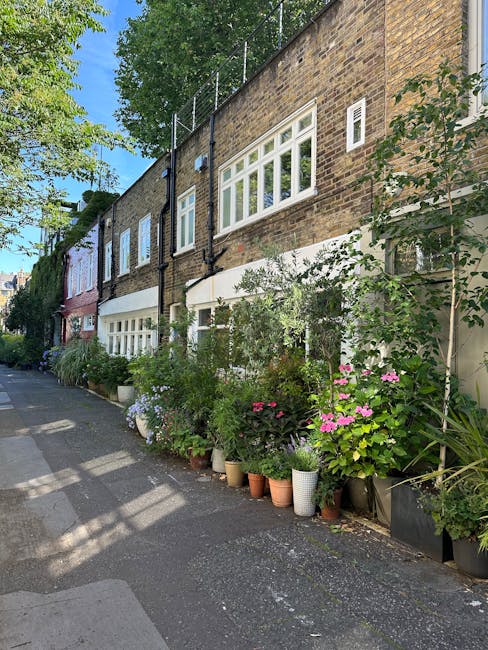
Garden maintenance on New Kings Road local guide: a practical, local-friendly approach to a better outdoor space
If you're looking for a Garden maintenance on New Kings Road local guide, you probably want something more useful than a generic checklist. Fair enough. Gardens along and around New Kings Road can face a mix of everyday pressures: shade from tall buildings, wind corridors, compact plots, heavy foot traffic, and the constant tug-of-war between "looks tidy" and "still healthy next month".
This guide is written to help you understand what good maintenance actually looks like, how regular upkeep works in a real London garden, and when it makes sense to bring in experienced help. You'll find seasonal advice, practical steps, common mistakes, and a few local realities that often get overlooked. If you want a more tailored service path, you can also explore garden maintenance support or browse the wider gardening services available.
Think of this as the guide you wish you had before the hedge got shaggy, the lawn started patching, and the patio suddenly looked twice as tired after one wet week. Let's get into it.
Table of Contents
- Why Garden maintenance on New Kings Road local guide Matters
- How Garden maintenance on New Kings Road local guide Works
- Key Benefits and Practical Advantages
- Who This Is For and When It Makes Sense
- Step-by-Step Guidance
- Expert Tips for Better Results
- Common Mistakes to Avoid
- Tools, Resources and Recommendations
- Law, Compliance, Standards, or Best Practice
- Options, Methods, or Comparison Table
- Case Study or Real-World Example
- Practical Checklist
- Conclusion
- Frequently Asked Questions
Why Garden maintenance on New Kings Road local guide Matters
New Kings Road sits in a part of London where gardens often need more than a once-in-a-while tidy-up. Properties can be compact, front spaces may be highly visible, and many back gardens have a mix of mature planting, paved areas, fences, decking, and shade from nearby buildings. That means maintenance is not just about making things look neat. It's about keeping the garden usable, resilient, and easy to live with.
A well-maintained garden does several things at once. It supports plant health, reduces long-term repair work, helps control weeds before they spread, and keeps outdoor spaces more welcoming throughout the year. In local terms, that matters because small issues move quickly. A missed hedge trim can block light. A patch of moss on paving can become slippery after rain. A stressed lawn can turn into a muddy strip before you've had time to blink.
There's also the front-of-house factor. Along a street like New Kings Road, the garden often contributes to first impressions. That's not vanity; it's just reality. A space that feels looked after tends to feel calmer and more intentional. Even a modest courtyard can be transformed with consistent care, and if you're short on space, approaches like vertical gardening for limited spaces or container gardening ideas can make a big difference.
Key takeaway: On New Kings Road, garden maintenance works best when it is regular, seasonal, and designed around your actual space rather than an idealised "perfect garden" that nobody has time to maintain.
How Garden maintenance on New Kings Road local guide Works
Good garden maintenance is usually built around a rhythm. Not everything needs doing every week, and to be fair, no garden benefits from being fussed over in the same way all year. The trick is knowing which tasks are routine, which are seasonal, and which should only be done when the plant or surface genuinely needs it.
In practice, maintenance on New Kings Road often combines five core areas: lawn care, hedge and shrub control, border and bed management, hard surface cleaning, and plant health checks. A service visit might include mowing, edging, pruning, weeding, debris removal, and a quick review of any areas that need extra attention. Larger jobs may be handled separately, such as lawn mowing, lawn care, patio cleaning, or hedge trimming.
The best maintenance plans are usually built around the garden's use. For example, if children or pets use the space, the focus may be on safety and durability. If privacy matters most, hedge health and structure matter more. If you enjoy entertaining outside, the patio and seating areas need more regular attention. If the garden is mostly decorative, plant shape and seasonal colour may take priority. That's the point: maintenance should serve the garden you actually have.
It also helps to think in layers. There's the visible layer, such as cut grass and clean paving. Then there's the living layer, which includes soil condition, plant vigour, and watering needs. And underneath all that is the preventive layer: checking drainage, watching for pests, staying ahead of overgrowth, and removing weak growth before it becomes a bigger issue. This is where a lot of long-term value comes from.
Key Benefits and Practical Advantages
Regular maintenance is not just about appearance, although yes, a tidy garden does feel better. The real value comes from the way a maintained garden behaves over time. It becomes easier to manage, cheaper to repair, and much less stressful when the seasons change.
- Better plant health: Regular pruning, feeding, and deadheading keep plants active and reduce disease pressure.
- Cleaner outdoor living: Paths, patios, and decking stay safer and more pleasant when moss, algae, and debris are kept in check.
- More usable space: A garden feels bigger when borders are clear, hedges are shaped, and paths are easy to move through.
- Improved privacy: Trained hedges and climbers can soften overlooking views without making the space feel boxed in.
- Lower long-term cost: Preventive care is usually less expensive than letting a garden decline and then trying to rescue it all at once.
- Better year-round resilience: Gardens prepared for wind, shade, and wet weather cope better during rough spells.
One overlooked benefit is confidence. Once a garden is under control, small decisions become easier. You know what needs cutting back, what needs leaving alone, and what can wait until next month. That calm feeling matters. It sounds minor, but it genuinely changes how often you use the space.
For planting ideas that support a lower-maintenance approach, you might find low-maintenance garden solutions and ground cover plant ideas especially helpful.
Who This Is For and When It Makes Sense
Garden maintenance on New Kings Road makes sense for a wide range of people. Some readers want a tidy, presentable front garden without giving up half their weekends. Others need help keeping up with a larger back garden that has become a bit too ambitious. And some simply want professional eyes on a space that's been patched together over the years.
It tends to be especially useful if you are:
- a homeowner who wants consistent curb appeal
- a landlord keeping a property presentable between tenancies
- a busy family with limited time for routine upkeep
- someone with a newly established garden needing structure
- a resident with mature hedges, trees, or heavy shade
- anyone whose garden has become harder to manage than expected
It also makes sense at certain moments in the year. Spring is the obvious one, of course, but autumn can be just as important because leaves, damp debris, and rapid dieback can build up quickly. Winter is the point where many gardens quietly deteriorate if no one is paying attention. Then, come early spring, everything feels like a bigger job than it should have been.
If you are not sure whether the issue is just tidiness or a deeper design problem, it may be worth looking at broader support such as landscaping or targeted help like tree surgery. Sometimes the garden does not need "more effort"; it needs a smarter structure.
Step-by-Step Guidance
Here's a practical way to think about garden maintenance on New Kings Road without making it overcomplicated.
- Walk the garden slowly. Start by noticing what looks tired, crowded, slippery, patchy, or out of shape. Don't just stare at the obvious weeds. Look up, down, and around.
- Sort tasks by urgency. A hazardous overhanging branch comes before cosmetic trimming. A blocked drain or slippery patio comes before replanting borders.
- Deal with lawn basics first. Mow if needed, edge the borders, remove thatch or debris, and check for compaction or dry patches.
- Cut back what is blocking light or air. Hedges, shrubs, and climbers can all become overly dense. Good shaping improves health, not just appearance.
- Weed before weeds seed. This sounds obvious, but it's one of the easiest places to get ahead or fall behind.
- Refresh soil and feeding where appropriate. Compost, mulch, and general feeding can help, but only if matched to the plant and season.
- Clean hard surfaces. Patios, paving, and decks benefit from regular cleaning and inspection, especially after wet weather.
- Review plant choices. If certain plants are constantly struggling, they may be wrong for the light, soil, or exposure level.
- Set a repeat schedule. Maintenance works best when it is consistent. Even a short monthly routine prevents the garden from running away.
A small but useful habit: keep a simple note of what was done each visit. Nothing fancy. Just a few lines. That way you can track patterns, such as repeated moss growth in one shady corner or a hedge that always needs attention after heavy rain.
If you like learning the practical basics yourself, the guide 9 key gardening tips for beginners is a sensible companion read.
Expert Tips for Better Results
There are a few things experienced gardeners notice early, long before they become visible problems. Those little observations save time later. Truth be told, they often matter more than the flashy stuff.
- Trim for shape, not just size. A hedge that is simply shorter is not always healthier. Aim for structure, light, and balance.
- Work with the microclimate. A garden in shade, wind, or reflected heat will need different care. One side of the garden may dry quickly while the other stays damp for days.
- Use ground cover where bare soil keeps reappearing. Bare patches invite weeds and erosion. Ground cover can be much more efficient than fighting the same spot every week.
- Don't overwater by habit. Check the soil. A plant that looks unhappy is not always thirsty; sometimes it is waterlogged.
- Time pruning carefully. Some plants respond well to a light trim, while others do better if left until the right season. A bad haircut is still a bad haircut, even in horticulture.
- Make maintenance easier with design. Wide access paths, sensible planting density, and fewer awkward corners all reduce ongoing effort.
For gardens exposed to gusts or strong weather, it helps to think beyond maintenance and into protection. A good setup can include shrubs, hedging, or features designed to reduce wind stress. This is where wind-shielding garden designs and weather defence techniques become especially useful.
And if your outdoor space is meant to be a bit of a sanctuary, even the maintenance style should reflect that. Clean lines, calm planting, fewer visual distractions. A little rhythm goes a long way. A patio with zen garden elements or a seating area planned with thoughtful seating ideas can change how the whole garden feels.
Common Mistakes to Avoid
Most problem gardens are not ruined by one dramatic mistake. They drift. Small things are skipped, then skipped again, and suddenly the garden has a personality of its own - mostly stubborn.
- Waiting too long to cut back hedges and shrubs. Overgrowth becomes harder, costlier, and sometimes riskier to tackle.
- Cutting everything at once. Heavy-handed pruning can shock plants and leave ugly gaps.
- Ignoring drainage or pooling water. Wet patches damage roots, paving, and timber features over time.
- Using the wrong plants for the site. A sunny, sheltered border and a shaded, windy strip are not interchangeable.
- Forgetting hard surfaces. A beautiful planting scheme can still look neglected if the patio is dirty or the decking is slick.
- Trying to maintain a garden as if it were a showpiece all year. That mindset leads to frustration. A good garden breathes a little.
Another common issue is treating weeds like a one-off problem. They are not. They return because the conditions allow them to. Tackling the source, whether that is open soil, compacted ground, or poor coverage, is usually more effective than repeated surface-level pulling. If that sounds familiar, the guide on creating a weed-free garden is worth a look.
Also, don't overlook the small jobs. A few seed heads left too long, or a half-cleared bed after autumn, can quietly set up problems for months. It's a bit annoying, but it is what it is.
Tools, Resources and Recommendations
The right tools make maintenance faster and less tiring. You do not need a van full of kit, but using the correct tool for the job is one of those things that saves time in a way you really feel by the end of the week.
| Task | Useful tools | Why it helps |
|---|---|---|
| Lawn care | Mower, edging tool, rake | Creates a cleaner finish and prevents ragged borders |
| Hedge and shrub work | Hand shears, hedge trimmer, loppers | Helps shape growth cleanly without ripping stems |
| Weeding and bed work | Hand fork, trowel, gloves | Makes it easier to remove roots and work around plants |
| Patio and decking cleaning | Brush, cleaning solution suited to the surface, scraper | Reduces slippery build-up and restores the surface safely |
| Planting and soil improvement | Spade, compost, mulch, watering can or hose control | Supports healthier establishment and moisture balance |
If you're assembling a home kit, the article on essential gardener tools is a very practical starting point. For plant-led maintenance planning, you may also find winter plant care tips useful when the colder months arrive.
For larger or more awkward outdoor tasks, professional help can make sense. That includes bigger hedge work, overgrown sections, stubborn tree issues, or design changes that improve maintenance access over the long term. In those cases, targeted services like decking services, fencing, or about the team can help you understand what is possible before any work starts.
Law, Compliance, Standards, or Best Practice
Garden maintenance is usually straightforward, but there are still a few best-practice areas worth taking seriously. If the work involves ladders, power tools, heavy lifting, sharp cutting equipment, or work near boundaries, safety should be planned properly. It is also sensible to think about waste disposal, access, and the condition of paths and surfaces while work is underway.
For homeowners and landlords, the most practical approach is to use clear communication, written expectations, and sensible risk awareness. If a contractor is working on site, they should be able to explain the scope of work, any access requirements, and how they handle safety. That is one reason people often review pages like health and safety policy, insurance and safety information, and terms and conditions before booking.
On a practical level, best practice also includes respecting neighbouring properties. Branches, hedge lines, and access routes should be handled carefully. If you share boundaries or have a tight front garden, this matters more than people expect. A neat job should stay neat outside your own fence line too.
When pricing and payment are involved, transparency is a good sign. Clear quotes, sensible scopes, and secure payment handling reduce misunderstandings later. If you want a better sense of how that is usually presented, the pages on pricing and quotes and payment and security are worth checking.
Options, Methods, or Comparison Table
Different gardens need different maintenance styles. There is no one-size-fits-all answer here, and that's actually a good thing. Below is a simple comparison to help you think through the main options.
| Approach | Best for | Strengths | Trade-offs |
|---|---|---|---|
| DIY routine maintenance | Small gardens, confident owners, light upkeep | Flexible, familiar, low direct cost | Easy to fall behind; can be time-consuming |
| Scheduled professional upkeep | Busy homes, larger gardens, recurring maintenance needs | Consistent results, less stress, better seasonal timing | Requires planning and budget |
| One-off restoration visit | Overgrown, neglected, or newly acquired gardens | Fast reset, easier to assess priorities | Does not solve ongoing upkeep unless followed by a plan |
| Maintenance plus redesign | Gardens that are hard to manage as they stand | Can reduce future labour and improve layout | More involved upfront, sometimes more expensive |
For many New Kings Road gardens, the sweet spot is a mix of scheduled maintenance with occasional specialist work. A monthly or fortnightly routine keeps things moving, while more complex tasks are handled when needed. If the garden is small, vertical gardening and container planting can lower the maintenance burden without making the space feel bare.
Case Study or Real-World Example
Imagine a typical terrace garden off New Kings Road: a modest lawn, a side return, a small patio, a hedge along the back boundary, and a couple of beds that have been slowly swallowed by self-seeded growth. Nothing dramatic. Just the sort of garden that looks fine from the kitchen window and then, one Saturday, suddenly does not.
The first visit usually focuses on structure. The lawn is cut and edged, weeds are removed before they seed, the hedge is reshaped, and the patio is cleared of moss and debris. After that, the planting gets reviewed. Some shrubs are thinned for light and airflow. A few awkward plants are replaced with stronger choices that suit the actual conditions better. If privacy is needed, the garden may be improved with denser boundary planting, possibly drawing on ideas like fast-growing privacy hedges.
What changes most is not just the look, though that helps. The garden becomes easier to keep tidy because the underlying structure now works. The patio is less slippery. The hedge no longer steals light from the back room. The borders stop acting like a weed magnet. And the owner is not spending every weekend chasing the same small problems.
That is the quiet win with maintenance. It gives you your space back. Not all at once, but steadily.
Practical Checklist
Use this quick checklist to review your New Kings Road garden maintenance plan.
- Have the lawn, beds, hedges, and hard surfaces all been checked recently?
- Are any paths, patios, or decking areas slippery or stained?
- Have weeds been removed before they can spread seeds?
- Do any shrubs or hedges need shaping for light, privacy, or access?
- Are there signs of pest damage, disease, or poor drainage?
- Have seasonal tasks been planned in advance rather than left until they become urgent?
- Is the planting still suitable for the light, wind, and shade conditions in the garden?
- Do you have the right tools for the work, or would specialist help be safer and quicker?
- Is the maintenance plan realistic for your time and budget?
- Would a few design changes make the space easier to maintain long term?
If you are trying to create a calmer, lower-effort outdoor routine, it can also help to think about companion planting and smart ground cover. A little planning here saves a lot of future scrubbing and pruning, honestly.
Conclusion
Garden maintenance on New Kings Road works best when it respects the space you have, the weather you actually get, and the amount of time you genuinely have available. That might sound obvious, but it is where many gardens go wrong. They are maintained too randomly, or too late, or with the wrong priorities.
The most successful gardens are usually not the most elaborate. They are the ones with steady care, sensible planting, clean boundaries, and a maintenance rhythm that fits real life. If you keep on top of the basics, the garden feels better in every season. Less stress. Less clutter. More room to enjoy the good parts.
And if your space needs a more structured plan, professional support can make the whole thing feel much more manageable. Start with clear priorities, then build from there. Simple, but it works.
Get a free quote today and see how much you can save.
When a garden is cared for properly, it does more than look nice; it quietly makes home feel easier.
Frequently Asked Questions
What does garden maintenance on New Kings Road usually include?
It usually includes lawn care, hedge trimming, weeding, pruning, border tidying, leaf clearance, and cleaning of patios or other hard surfaces. The exact work depends on the garden's size and condition.
How often should a garden be maintained in this part of London?
For many gardens, a regular weekly, fortnightly, or monthly schedule works best depending on growth rate and use. During spring and summer, faster-growing gardens often need more frequent attention.
Is a one-off garden tidy-up enough?
Sometimes, yes, if the garden is already manageable. But if growth is recurring, or the layout makes maintenance difficult, a one-off visit is usually just the reset point. Ongoing upkeep is where the real benefit comes from.
Can garden maintenance help with privacy?
Absolutely. Hedges, climbers, and layered planting can all improve screening. If privacy is a priority, maintenance and planting choices should work together, not separately.
What if my garden is mostly paving or decking?
That still counts as maintenance. Paving can become slippery, and decking can collect dirt or algae. Regular cleaning and inspection are important, especially after wet weather.
Is it worth paying for professional garden maintenance?
For many people, yes. It saves time, helps prevent bigger issues, and is often more efficient than trying to catch up after months of neglect. It's especially useful if the garden has hedges, trees, or tricky access.
How do I know whether I need lawn care or full garden maintenance?
If the issue is mainly grass condition, lawn care may be enough. If weeds, hedges, borders, hard surfaces, and general tidiness all need attention, full garden maintenance is the better fit.
What should I ask before booking a gardener?
Ask what is included, how often visits are recommended, whether waste removal is covered, what safety measures are in place, and how payment works. Clear answers upfront usually mean fewer surprises later.
Can maintenance make a small garden feel bigger?
Yes. Tidy edges, sensible pruning, and clutter-free paths can make a small space feel much more open. Design choices like vertical planting or containers can help as well.
What are the most common mistakes homeowners make?
The biggest ones are leaving jobs too long, cutting too much at once, ignoring weeds until they seed, and forgetting about drainage or slippery surfaces. Small issues tend to become bigger ones if they are left alone.
Do I need to prepare anything before a maintenance visit?
It helps to clear access, move fragile items if needed, and flag any areas of concern such as broken paving, hidden cables, or plants you want left untouched. A quick walk-through at the start is often enough.
How can I keep maintenance costs under control?
Focus on consistency, not emergency fixes. Regular attention usually costs less over time than letting the garden slide. Choosing lower-maintenance planting and keeping layouts simple can also reduce future work.