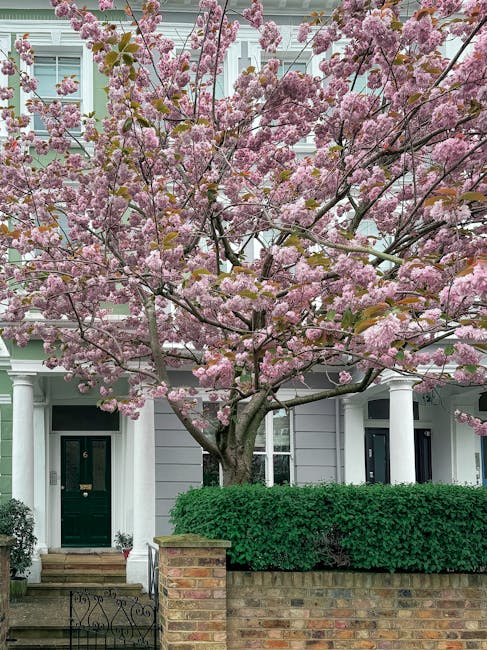
Gardeners for homes near Parsons Green tube station: a practical guide for busy local homes
If you live close to Parsons Green tube station, you already know the rhythm of the area: tidy front gardens, compact terraces, shaded corners, and outdoor spaces that need a bit of finesse to look their best. Gardeners for homes near Parsons Green tube station are there to make that easier. Not just a one-off tidy-up, but proper ongoing care that keeps your garden healthy, attractive, and manageable through the seasons.
In this guide, we'll look at what local gardening support actually involves, how it works in real homes, and how to choose the right services for your space. We'll also cover common mistakes, useful tools, and the kind of decisions that matter if you want a garden that feels calm rather than constantly demanding. Truth be told, a well-kept London garden can change how a whole property feels.
Table of Contents
- Why Gardeners for homes near Parsons Green tube station Matters
- How Gardeners for homes near Parsons Green tube station Works
- Key Benefits and Practical Advantages
- Who This Is For and When It Makes Sense
- Step-by-Step Guidance
- Expert Tips for Better Results
- Common Mistakes to Avoid
- Tools, Resources and Recommendations
- Law, Compliance, Standards, or Best Practice
- Options, Methods, or Comparison Table
- Case Study or Real-World Example
- Practical Checklist
- Conclusion
- Frequently Asked Questions
Why Gardeners for homes near Parsons Green tube station Matters
Homes near Parsons Green tend to face a familiar mix of gardening conditions. You may have a modest front plot, a narrow rear garden, a patio that gets patchy shade, or a larger family garden that needs regular attention to stay presentable. And because local homes often sit close together, good gardening is not just about plants. It is about privacy, structure, drainage, neat edges, and making the most of every square metre.
That is why local gardening support matters. A gardener who understands London gardens can work with limited space, awkward access, changing light levels, and the usual urban headaches: weeds turning up between paving, hedges growing a little too enthusiastically, and lawns suffering after a wet spell followed by heat. They can also suggest realistic improvements rather than grand ideas that look lovely on paper and then collapse into weekend stress.
There is also the lifestyle side. Many people around Parsons Green want an outdoor space that feels easy to use. Somewhere you can sit with coffee in the morning, let children play safely, or enjoy a calm evening without seeing every blade of grass as a job waiting to happen. A good gardener helps create that feeling. Not magic. Just steady, skilled work done well.
If you are still figuring out what kind of help you need, a useful starting point is to look through the broader gardening services available and compare them against your actual garden problems, not the idealised version in your head.
How Gardeners for homes near Parsons Green tube station Works
In practice, local garden care usually starts with a walkthrough or an initial chat. A gardener will want to understand the size of the garden, the condition of the lawn, the state of the beds and borders, how much privacy you want, and how often the space is used. That first conversation matters more than people think. It sets the tone for everything that follows.
From there, the work is often split into regular maintenance and occasional improvement jobs. Regular maintenance might include mowing, edging, pruning, weeding, feeding, deadheading, hedge shaping, and clearing debris. Improvement work could mean planting, reshaping borders, rebuilding a tired corner, or sorting out a patchy lawn. Some homes just need consistency. Others need a proper reset first.
Seasonality matters too. A garden near Parsons Green will look and behave differently in January than in June. In winter, the focus may be on protection, structure, and preventing damage. By late spring, the same garden may need faster mowing, sharper pruning, and better watering habits. It is the kind of job where timing makes a real difference, and a good gardener will not treat every month the same.
There is often a surprising amount of diagnostic thinking involved. A patch of yellowing grass is not always a lawn problem. It may be compaction, shade, poor drainage, or simply the wrong grass type for the spot. That is why professional attention usually saves time in the long run. To be fair, guessing and hoping is how a lot of small garden problems quietly get expensive.
Key Benefits and Practical Advantages
Hiring gardeners for homes near Parsons Green tube station can deliver benefits that go beyond a neat lawn. The strongest gains are usually practical, visual, and emotional all at once.
- Better use of space: Small and medium London gardens often work harder when borders, paving, and planting are planned with purpose.
- Less ongoing stress: A regular schedule stops small jobs becoming a big weekend burden.
- Stronger curb appeal: Front gardens, hedges, and tidy paths make a home feel looked after immediately.
- Healthier planting: The right pruning, feeding, and watering approach reduces losses and patchiness.
- More privacy: Hedges, climbers, screening plants, and careful shaping can make outdoor spaces feel more secluded.
- Safer outdoor areas: Clear pathways, controlled growth, and sensible maintenance reduce trip hazards and clutter.
For families, the advantage is often about usability. For professionals, it is about getting a garden that looks good without eating the weekend. For older homeowners, it may simply be about keeping the space safe and enjoyable. Different people, same basic wish: a garden that behaves itself.
One more thing people underestimate: a well-managed garden can support biodiversity too. The right mix of planting, ground cover, and seasonal care gives bees, birds, and pollinators a better chance while still keeping the space tidy. If that interests you, the article on how gardening can support climate-conscious outdoor spaces is worth a look.
Who This Is For and When It Makes Sense
This kind of service makes sense for a lot of local homes, but especially for properties where time, access, or layout make garden care harder than it should be.
- Busy households: If work and family life already fill the week, regular garden maintenance is often the sanest choice.
- People with compact gardens: Small spaces still need care, and oddly enough they can become messier faster because every detail is visible.
- Homes with mature hedges or trees: Established planting looks lovely, until it starts swallowing light or blocking paths.
- New homeowners: If you have moved into a property near Parsons Green and the garden needs sorting, a professional can help you prioritise.
- Landlords and hosts: A tidy outdoor space can make a property easier to present well, especially between tenancies or before guests arrive.
It also makes sense if you know what you want but not how to get there. Maybe you want more privacy, a smarter patio, or a lower-maintenance layout. In that case, the right help is not just about labour. It is about judgement. And judgement is usually what people are really paying for.
If your garden is mostly sound but just needs regular care, a dedicated garden maintenance service is often the simplest route. If the lawn has become the weak link, then lawn care or lawn mowing may be the better fit.
Step-by-Step Guidance
Here is a practical way to approach garden care near Parsons Green without overcomplicating things.
- Walk the garden with fresh eyes. Look for overgrowth, bare patches, muddy areas, privacy issues, and anything that feels awkward to use.
- List the jobs by urgency. Separate safety issues and visual problems from longer-term improvements. A broken fence panel is not the same as a planting refresh.
- Decide what you want the garden to do. Do you want it to be low maintenance, family-friendly, pet-friendly, more private, or more decorative?
- Choose the right service mix. A lawn that needs rescue, for example, may need mowing plus feeding plus weed control, not just one-off cutting.
- Set a realistic schedule. Weekly, fortnightly, monthly, or seasonal visits all have their place.
- Review the results after the first few visits. A good gardener will adjust the approach once they see how the space behaves.
A tiny but useful habit: take a few photos before work begins. It helps you see progress more clearly later. Gardens can be surprisingly deceptive in the moment; one rainy week and suddenly everything looks twice as wild.
If your outdoor area is tight or has awkward corners, you may also want to consider vertical gardening ideas for limited spaces or container gardening for flexible planting. Both can make a small garden work much harder.
Expert Tips for Better Results
Good garden results are often about small choices repeated consistently. Nothing glamorous. But effective.
- Work with the light you actually have. Many Parsons Green gardens are partly shaded by buildings, walls, or mature trees. Pick plants that suit the conditions instead of forcing sun-lovers into a dim corner.
- Use structure first. Hedges, edging, and clear paths create order before you even add planting.
- Keep the lawn realistic. If mowing is a constant battle, reduce grass area and use borders, gravel, or hard landscaping where appropriate.
- Plan for privacy early. Screening plants and hedge shapes are easier to integrate before the garden feels exposed.
- Keep the maintenance loop short. Small jobs handled often are easier than heroic tidy-ups once every few months.
A good local gardener will also understand the difference between tidy and overdone. Over-pruning can strip shape out of a garden very quickly. Under-pruning leaves you with a jungle. Somewhere in the middle is the sweet spot, and yes, it takes practice.
For ideas on screening and shelter, the guides on wind-resistant garden design and weather defence in outdoor spaces are both useful starting points.
And if your garden gets battered by the wind more than you would like, you may find that a layered approach works better than a single hedge. Think fence, climber, shrub, then ground cover. Simple, but it works.
Common Mistakes to Avoid
A lot of garden disappointment comes from the same handful of avoidable mistakes. Most of them are understandable. A few are just impatience.
- Choosing plants for looks only: Beautiful plants that hate shade, wind, or compacted soil tend to struggle fast.
- Ignoring maintenance load: Some hedges and shrubs look neat for a month and then become a chore.
- Letting weeds get established: Once they root deeply in paving or beds, you spend far more time dealing with them.
- Pruning at the wrong time: Cutting at the wrong stage can reduce flowering or weaken plants.
- Overwatering containers: London gardeners do this a lot, especially in cooler months. Wet compost is not always happy compost.
- Skipping edging and finishing touches: It is amazing how much difference sharp borders make to the overall look.
There is also the classic mistake of trying to do everything at once. That usually leads to fatigue, half-finished jobs, and a pile of green waste sitting there looking judgmental. Better to prioritise. A garden responds well to sensible sequence.
For a more disciplined approach to tidy-up work, the article on creating a cleaner, weed-free garden is a practical companion read.
Tools, Resources and Recommendations
You do not need a shed full of gadgets to keep a London garden in good condition, but the right few tools make everything easier. Professionals typically rely on hand tools for detail work and heavier equipment for bigger jobs.
| Tool or Resource | Best For | Why It Helps |
|---|---|---|
| Secateurs and loppers | Pruning shrubs, climbers, and smaller branches | Clean cuts reduce damage and improve plant shape |
| Reliable mower | Ongoing lawn care | Keeps grass even and prevents coarse, uneven growth |
| Spade and hand fork | Border work and soil improvement | Useful for planting, lifting, and loosening compact soil |
| Hedge trimmer | Formal hedges and repeated shaping | Maintains clean lines and stops growth from becoming unruly |
| Wheelbarrow or garden sack | Clearing debris and green waste | Makes tidy-up work faster and less tiring |
If you are building a more involved garden plan, it is also worth thinking about long-term features. Screening, seating, decking, and fencing all affect how a garden is used day to day. You can explore options such as landscaping, decking services, and fencing if the space needs structural improvements rather than simple maintenance.
For general upkeep, a few especially relevant reading points are essential tools for outdoor gardeners, low-maintenance garden solutions, and ground cover plants for UK gardens.
Law, Compliance, Standards, or Best Practice
For most homeowners, garden care is straightforward, but there are still sensible standards to follow. If work involves ladders, machinery, power tools, tree work, waste handling, or access issues, you want clear procedures and proper care. That is especially true in tighter residential settings where neighbours, paths, and shared boundaries matter.
Good practice usually includes safe tool handling, tidy work areas, clear communication, and care around noise and debris. If a gardener is working on hedges, trees, or hard surfaces, they should also think about protection for nearby property and safe disposal of cuttings. It sounds basic, because it is. But basic done well is often what separates a decent job from a headache.
When comparing providers, it is sensible to check that they take insurance and safety seriously and operate with clear health and safety policy standards. If you are unsure how terms, payment, or complaints are handled, those pages should be easy to review: terms and conditions, payment and security, and complaints procedure.
Accessibility and privacy matter too, especially when enquiries and ongoing communication are handled digitally. A reliable business should be transparent about its accessibility statement, privacy policy, cookie policy, and modern slavery statement. That kind of detail may feel administrative, but it does tell you a lot about how professionally a company is run.
Options, Methods, or Comparison Table
If you are deciding how to manage your garden, the main choice is usually between regular maintenance, one-off tidy-ups, and larger improvement work. Each has its place.
| Approach | Best For | Pros | Trade-offs |
|---|---|---|---|
| Regular maintenance | Busy homes, ongoing upkeep, consistent presentation | Keeps things under control; prevents build-up | Requires ongoing scheduling |
| One-off tidy-up | Overgrown gardens, pre-event refreshes, seasonal resets | Quick visual impact | Problems can return quickly without follow-up |
| Garden redesign or landscaping | Spaces that are awkward, tired, or badly laid out | Can transform usability and appearance | More planning, usually more cost, and more disruption |
| Targeted specialist work | Hedges, trees, lawn recovery, patios, or fencing | Focused expertise on the problem area | May need to be combined with other services |
If you have a clear issue, like a tired lawn or an awkward boundary, targeted work is often best. If everything is simply slipping a bit, maintenance is usually the smarter move. And if the garden layout itself is the problem, then a redesign can pay off for years.
For more specific tasks, you may want to review tree surgery, patio cleaning, or hedge trimming in Parsons Green depending on which part of the garden needs attention first.
Case Study or Real-World Example
Imagine a family living a short walk from Parsons Green station with a north-facing rear garden. The space has a small lawn, two tired borders, a slim patio, and a hedge that has grown unevenly over the years. Nothing is catastrophic. It just feels untidy, a bit cramped, and never quite finished.
In a situation like that, a practical gardener would usually start with clearing, edging, and shaping. The hedge would be brought back into line. The lawn would be improved with a proper cut and some care rather than being scalped. The borders might be thinned, weeded, and replanted with a few low-maintenance choices suited to shade. A climber could be used to soften a blank fence panel, while one or two containers add colour near the seating area.
The difference is not only visual. The family would likely notice that the garden feels easier to use. Children can move around without tripping over clutter. The seating area feels more inviting. The whole place stops looking like a list of chores. Simple things, but they matter.
That is often the point where people realise the benefit of professional support. Not because the garden became something out of a glossy magazine. Just because it became livable again.
Practical Checklist
Before booking gardeners for homes near Parsons Green tube station, run through this quick checklist.
- Do I want regular maintenance, a one-off tidy-up, or a bigger redesign?
- Which areas matter most: lawn, hedges, borders, patio, trees, or fencing?
- Are there shade, wind, drainage, or privacy issues to solve?
- Do I want low-maintenance planting or a more decorative garden?
- Is the garden safe and easy to access for work to begin?
- Have I noted any problem spots, like weeds, patchy grass, or overgrown branches?
- Do I understand the likely maintenance rhythm after the first visit?
- Have I checked the provider's insurance, safety, and payment information?
Quick expert summary: the best outcomes usually come from matching the service to the real condition of the garden, not the version you wish it had. That sounds obvious, but it saves a lot of disappointment.
For a friendly starting point, you can also learn more about the team on the about us page or make an enquiry through the contact page when you are ready.
Conclusion
Gardeners for homes near Parsons Green tube station are not just there to cut grass or trim hedges. They help turn outdoor space into something calmer, tidier, and easier to live with. For many local homes, that means less guesswork, fewer weekends lost to catch-up jobs, and a garden that actually feels like part of the house rather than a separate burden.
The best approach is simple: look at what your garden needs now, think about how you want to use it, and choose support that fits both. A compact London garden can be surprisingly rewarding when it is looked after properly. Not perfect, just cared for. That is usually enough to make a real difference.
Get a free quote today and see how much you can save.
If you take one thing away from this guide, let it be this: steady, thoughtful garden care near Parsons Green can quietly improve everyday life. And honestly, that is no small thing.
Frequently Asked Questions
What do gardeners for homes near Parsons Green tube station usually do?
They typically handle regular maintenance such as mowing, pruning, weeding, hedge trimming, planting, border care, and seasonal tidy-ups. Some also take on landscaping, patio cleaning, fencing, decking, and tree-related work where needed.
How often should a garden near Parsons Green be maintained?
It depends on the size of the garden, how much planting it has, and how quickly it grows. Many homes benefit from fortnightly or monthly maintenance, while lawns and hedges can need more frequent attention in the growing season.
Is a one-off garden tidy-up enough?
It can be, especially if the garden is only mildly overgrown or you are preparing for an event. But if growth is fast, the lawn is weak, or the layout is awkward, ongoing maintenance usually gives better long-term results.
Can gardeners help with small gardens and patios?
Yes, and in many cases that is where professional help is most valuable. Small gardens show clutter and imbalance quickly, so design choices, container planting, and sharp edging can make a big difference.
What if my garden gets very little sunlight?
That is common in London gardens. A gardener can help choose shade-tolerant planting, better ground cover, and climbers that work in low-light areas. The goal is to match plants to the conditions rather than fight them.
Do I need landscaping or just maintenance?
If the garden already works well but needs upkeep, maintenance is the right fit. If the space feels badly laid out, awkward, or underused, landscaping may be the better option because it addresses the structure as well as the look.
How do I know if my hedge needs professional trimming?
If the hedge is uneven, too dense, blocking light, or interfering with paths and boundaries, it probably needs professional shaping. Regular trimming also helps many hedges stay healthier and more controlled over time.
Are garden services safe for homes with pets or children?
They should be, provided the work is planned carefully and any tools, debris, or plants are handled responsibly. If safety matters, ask how the work will be carried out and whether any temporary precautions are needed.
What should I ask before hiring a gardener?
Ask what services are included, how often visits are recommended, how waste is handled, what insurance is in place, and how payment works. It is also worth asking whether they have experience with the type of garden you have.
Can gardeners improve privacy in a nearby London garden?
Yes. Hedges, climbers, screening planting, fencing, and well-placed structures can all improve privacy without making the garden feel boxed in. The right mix depends on the available space and light levels.
What is the biggest mistake homeowners make with garden care?
The most common mistake is waiting too long. Small problems grow fast in gardens, especially in changeable weather. Regular attention is usually cheaper, easier, and far less stressful than repeated rescue jobs.
How do I get started if I am not sure what I need?
Start with a simple assessment of the garden's condition and the main pain points. Then compare that with the services on offer, such as maintenance, lawn care, hedge trimming, or larger landscaping work. If in doubt, ask for a conversation first rather than trying to guess everything at once.